
The Ultimate Midcoast Maine Travel Guide
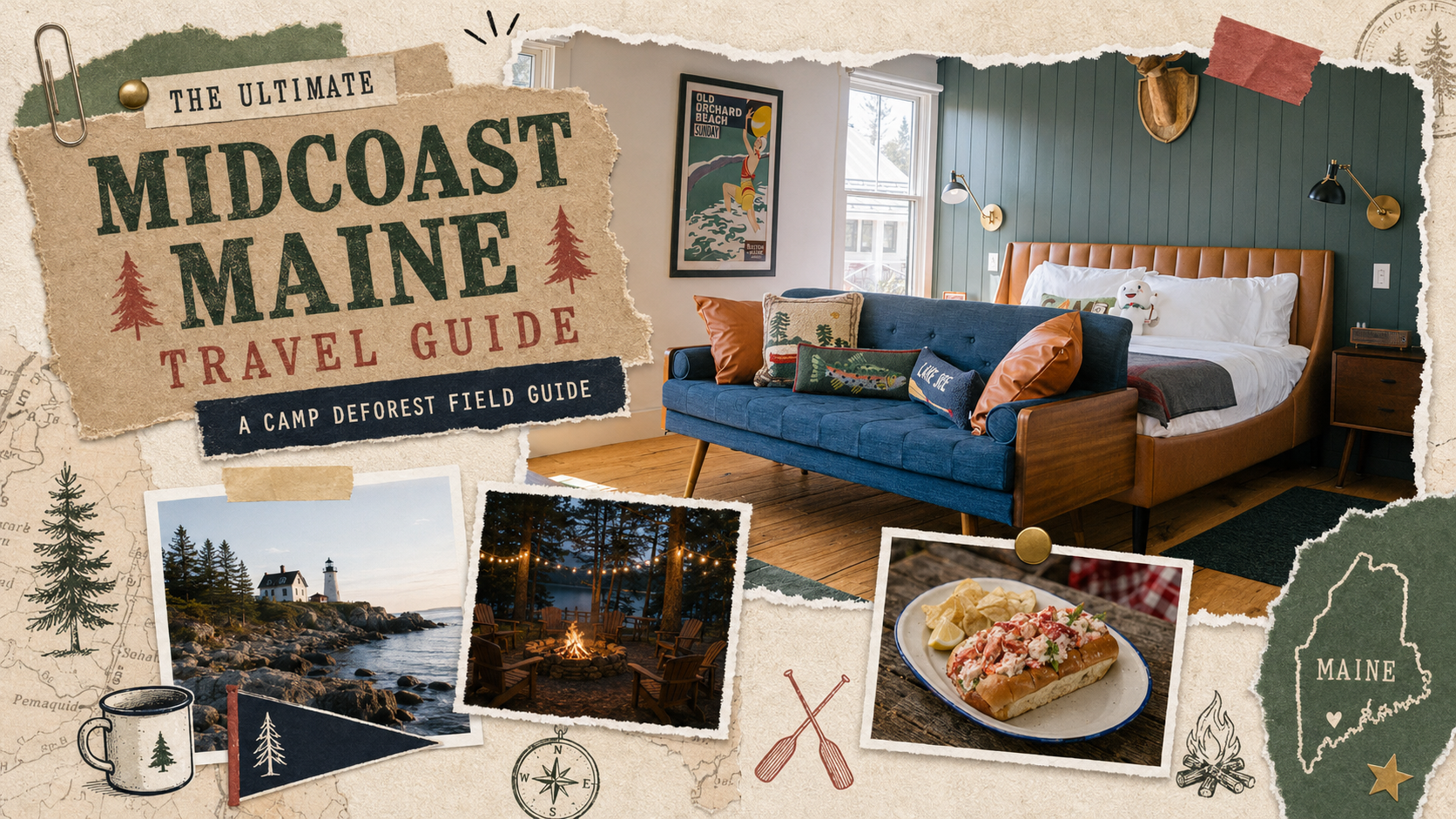
Salt air hits you before you even park the car. You hear the low clang of a harbor bell somewhere past the boat launch, and when you finally look up, there are schooner masts cutting clean lines against a sky so blue it looks overexposed. This is Midcoast Maine, and it has been doing this to people for a very long time.
The region runs from Bath and Boothbay Harbor in the south up through Rockland, Camden, Lincolnville, and Belfast in the north, spanning dozens of miles of coastline, peninsulas, islands, and river towns that most visitors drive through without stopping. This Midcoast Maine travel guide exists to fix that. It covers the towns worth anchoring your trip around, the outdoor adventures that separate this stretch of coast from everywhere else, practical itineraries for one to five days, where to eat and sleep, and the seasonal tips that will save you from arriving at the wrong time with the wrong expectations. There's a quiet stretch between Camden and Belfast along Route 1, where Midcoast day trips fan out toward islands, lighthouses, and working harbors, that deserves far more attention than it gets, and where some of the region's most distinctive places to stay, including camp-style resorts and restored Victorian properties, have begun to take root.
The towns worth building your trip around
Rockland: where art, lobster, and working harbor coexist
Rockland is the region's grittier anchor, and that's meant as a compliment. While Camden gets the postcard attention, Rockland has the Farnsworth Art Museum, widely regarded as one of the finest regional art museums in New England, with a Wyeth collection spanning three generations of the family. It also hosts the Maine Lobster Festival every August and serves as the departure point for Maine State Ferry Service trips to Vinalhaven, North Haven, and the remote island of Matinicus. Come here when you want to feel like you're in Maine rather than a brochure about Maine.
Camden: the postcard town that actually lives up to the hype
Camden is the one place in Midcoast Maine that earns every photograph taken of it. The harbor sits at the base of Camden Hills, and in summer the schooners tie up here before sailing out on windjammer cruises that have been running for decades. Camden Hills State Park offers more than 30 miles of trails, and the drive or hike to the summit of Mount Battie delivers a panoramic view of Penobscot Bay, the offshore islands, and the town itself that genuinely stops people in their tracks. The crowds are real in July and August, but an early morning in Camden before the shops open feels like having the whole coast to yourself.
Belfast, Lincolnville, and the Midcoast Maine towns most travelers drive past
Belfast has been quietly building one of the most interesting small-city dining and arts scenes in Maine over the past decade. Its downtown is walkable, its architecture is well-preserved, and the waterfront gives you working harbor access without the tourist density of Camden. Lincolnville sits between the two on Route 1, often overlooked, but centrally positioned in a way that makes it genuinely useful as a base. The Islesboro ferry departs from Lincolnville Beach, Camden is ten minutes south, and Belfast is fifteen minutes north.
Outdoor adventures that make Midcoast Maine different from any other coast
Hiking Camden Hills and reaching the top of Mt. Battie
The Mount Battie Trail is the most popular route in the park for good reason: the summit at roughly 1,200 feet offers views that stretch from Acadia to Monhegan Island on a clear day. If you're traveling with young kids or want to save your legs for another hike, the auto road to the top is a legitimate option. The park is open year-round, which makes it a draw across every season. Standing at the summit tower during the second week of October, when Midcoast color typically peaks, and watching the hillsides turn is as good as leaf-peeping gets on the East Coast.
Ferry trips to the islands: Islesboro, Monhegan, and beyond
The Lincolnville Beach terminal runs the Maine State Ferry Service boat to Islesboro, a 20-minute crossing that operates daily. In summer, the peak adult round-trip fare is $17.00, with nine weekday sailings and multiple Sunday departures, confirm current pricing and schedules directly with Maine State Ferry Service before you go, as fares are subject to change. Rockland serves as the other main ferry hub, with year-round car ferry service to Vinalhaven (about an hour) and North Haven (about 45 minutes), both operated by Maine State Ferry Service. Monhegan is different: it's a passenger-only island accessible via the Monhegan Boat Line out of Port Clyde, roughly an hour and fifteen minutes each way, and it rewards visitors who stay long enough to hike its dramatic cliff trails. Book Monhegan trips ahead and confirm the day before, as weather regularly affects crossings.
Kayaking, schooner cruises, and getting on the water
You can of course rent your kayaks and canoes from Camp DeForest, but you can also head over to Ducktrap Kayak and SUP in Lincolnville and rent single and tandem kayaks for exploring Penobscot Bay at your own pace. For a more structured experience, windjammer cruises out of Camden Harbor range from two-hour daysails to multi-day trips on classic wooden schooners, a two-day sail through the islands and coves of Penobscot Bay tends to become the story people tell when they get home. Anyone who spends an afternoon walking the Camden waterfront and asking what's going out will find the right boat soon enough.
Midcoast Maine itinerary: 1-, 3-, and 5-day plans
One day: the Rockland-to-Camden run
Start in Rockland at the Farnsworth Museum or walk the harbor, then drive north to Camden for a schooner sail or the hike up Mount Battie, and end with dinner in Camden or Belfast. This works as a standalone stop on a longer Maine coast road trip or as a day trip from Portland. It's ambitious but doable, covering the two Midcoast Maine towns that define the region's personality most clearly.
Three days: adding islands and slowing down
Use day one to cover the southern towns: Bath for the Maine Maritime Museum, Wiscasset for a lobster roll at Red's Eats, and Damariscotta for fresh oysters from Glidden Point. Day two centers on Rockland, with a ferry trip to Vinalhaven or a passenger boat to Monhegan for serious hikers. Day three runs through Camden, Lincolnville, and Belfast, ideally with a late afternoon on the Belfast waterfront and dinner somewhere you've been meaning to try. Three days is the sweet spot for a first visit.
Five days: the full stretch with room to breathe
Five days lets you add Pemaquid Point Lighthouse, a kayak tour along the St. George Peninsula, and the Penobscot Marine Museum in Searsport without feeling rushed. It also gives you a morning in Camden that isn't scheduled around anything, which is when the town reveals itself most honestly. This version of the trip lets you actually feel the region rather than just move through it, and it's the one you'll wish you'd taken on the first visit.
Where to eat: lobster pounds, farm tables, and the spots locals go
The seafood you can't leave without eating
Red's Eats in Wiscasset has been drawing lines for decades and earns every minute of the wait. McLoon's Lobster Shack in Port Clyde is a quieter find, with a view over the working harbor that makes the meal feel earned. In Rockland, Claws and Maine Lobster Club consistently rank among the region's top lobster destinations, and the freshness at both reflects direct access to Penobscot Bay boats. Glidden Point oysters from Damariscotta are worth a detour on their own.
Beyond lobster: farm-to-table dining and local flavor
Belfast has developed a restaurant scene that punches well above its population size, with independent spots that source from local farms and update their menus with the season. Camden's dining options have expanded beyond the traditional inn-and-tavern model, and Rockland's proximity to the Farnsworth has brought in the kind of crowd that supports interesting food. Moody's Diner on Route 1 in Waldoboro is a regional institution for pie and coffee, and it's exactly what it looks like from the highway: a place that has been doing one thing well since 1927.
Where to stay and why your base camp matters more than you think
Lodging across the region: from historic inns to waterfront hotels
Camden Harbor Inn is the luxury anchor for the region, with a 19th-century mansion setting, an award-winning restaurant, and harbor views that justify the rates. Hotel Pemaquid in New Harbor is a renovated 1888 Victorian property at a mid-range price point, with the foghorn audible at night and coffee in the morning. Budget travelers have Moody's Motel and Cabins in Wiscasset, a classic coastal property with screened porches and reasonable peak-season rates around $120 a night. Plan ahead regardless of where you stay: popular Midcoast Maine towns like Camden and Boothbay Harbor tend to fill up weeks in advance during summer and fall foliage season.
Why Lincolnville might be the smartest place to set up base
Lincolnville's position on Route 1 is genuinely central to everything worth doing in the region, Camden is ten minutes south, Belfast is fifteen minutes north, and the Islesboro ferry departs right from Lincolnville Beach. Camp DeForest sits squarely in this sweet spot, a boutique, sleepaway camp-themed property that trades the usual Maine-inn predictability for something with actual personality. On-site dining includes the Lantern Bar for craft cocktails and cold beer, Camp Café for a casual morning coffee, and Happy Trails for gourmet hot dogs and camp-style food when you want something quick before a hike. It's not trying to be a luxury resort, that's precisely the point, and the result is a base that feels like a destination rather than a waypoint.
Seasonal travel tips and practical things to know before you go
Summer vs. fall: the two seasons that define Midcoast Maine
Summer, from late June through Labor Day, brings full ferry schedules, every restaurant open, reliable weather, and the most people. Rates are at their peak and Camden books solid. Fall is the other season that defines the region: foliage in Midcoast Maine typically peaks during the second week of October, with Columbus Day weekend consistently delivering the best color, cooler hiking temperatures, and dramatically thinner crowds. Both seasons are legitimate choices depending on whether you prioritize warm-weather water activities or uncrowded trails and dramatic scenery.
Getting around, booking ferries, and what to plan ahead
A car is non-negotiable for this region. The towns are connected by Route 1 and a network of peninsula roads that don't have meaningful public transit. Book Monhegan ferry tickets at least a day ahead, and always confirm Matinicus departures directly with the Rockland terminal the day before. For peak-season lodging in Camden, planning a month or more out is not excessive. Visiting in May, June, or late October generally brings better pricing and, on most days, the Maine coast nearly to yourself.
Frequently asked questions about visiting Midcoast Maine
What are the best Midcoast Maine beaches?
Lincolnville Beach is the most accessible on Route 1 and doubles as the Islesboro ferry terminal. Pemaquid Beach in Bristol is one of the finest sandy stretches in the region, with calm water and a bathhouse. Drift Inn Beach in Port Clyde is smaller and less visited, making it a reliable off-peak option in summer.
What are the best Midcoast Maine day trips from Rockland?
Rockland is an ideal hub for day trips across the region. The most popular options are the car ferry to Vinalhaven or North Haven via Maine State Ferry Service, the passenger boat to Monhegan Island via the Monhegan Boat Line out of Port Clyde, and the drive south to Pemaquid Point Lighthouse and the lighthouse at Marshall Point. All three are doable in a single day.
How do I get to the Midcoast Maine islands by ferry?
Maine State Ferry Service operates from two main terminals: Lincolnville Beach (to Islesboro) and Rockland (to Vinalhaven, North Haven, and Matinicus). The Monhegan Boat Line runs from Port Clyde. Schedules vary significantly between summer and off-season, so check the Maine State Ferry Service website for current timetables before planning an island day trip.
When is the best time to visit Midcoast Maine?
Late June through Labor Day offers the warmest weather, full ferry service, and the widest range of open restaurants and attractions. October, particularly the second week, is the best time for fall foliage and far fewer crowds. May and early June offer mild weather, lower rates, and a quieter version of the coast that regulars tend to prefer. Winter is amazing too, with skiing at the Camden Snow Bowl, the U.S. National Toboggan Championships, ice fishing, snowshoeing, and so much more!
Start planning your Midcoast Maine trip
Midcoast Maine rewards the traveler who slows down and resists the urge to cover everything in one pass. The region's real draw is the combination: dramatic coastal scenery, a working maritime culture that hasn't been fully sanitized for tourism, and a food scene that has long outgrown the lobster-shack-only reputation it used to carry. These things reveal themselves when you stop driving and start staying somewhere long enough to explore the Midcoast & Islands in multiple directions.
If you haven't settled on where to stay yet, a central position between Camden and Belfast gives you the most flexibility in the region. The best days tend to start when you're not too far from everything at once. Camp DeForest in Lincolnville is built around exactly that idea: a base with personality, good food on-site, and the whole Midcoast stretching out in both directions from your front door.
Check availability, browse the cabins and lodge rooms, and start putting the trip together. The salt air will be there when you arrive.