
The Ultimate Maine Lighthouse Tour: A Complete Road Trip Guide
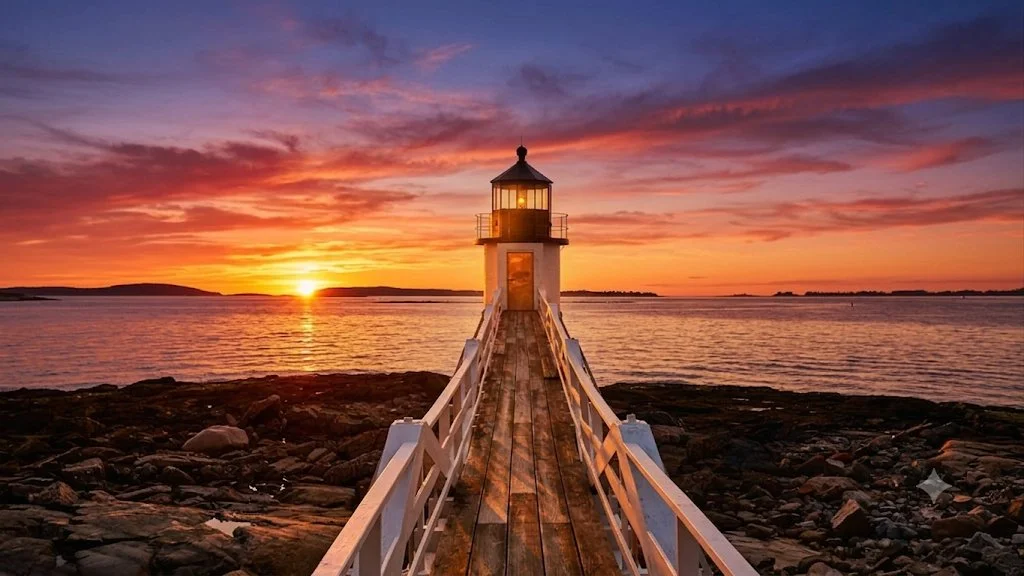
Stand on the rocks at Owls Head at 6 a.m., salt air filling your lungs, the Penobscot Bay spreading out in every direction below the lighthouse beam, and you'll understand immediately why people rearrange their calendars around Maine's coastline. This ultimate Maine lighthouse tour puts you at the center of one of New England's most concentrated coastal circuits, dozens of working lighthouses, dramatic granite headlands, and harbor views packed into a focused two-to-three-day drive. Maine's midcoast region has a particularly dense concentration of active lighthouses along its shoreline, and a well-planned route between Rockland and Camden puts several iconic towers within easy reach of each other. With a single day's drive, you can hit half a dozen landmarks across rocky shorelines that were practically built for photography.
This guide gives you exactly what you need to execute the trip without the guesswork: a stop-by-stop driving route, logistics and estimated times between each light, access and seasonal hours, photography notes, and a packing checklist. You don't need a week to do this well. A focused two to three days covers the best of Midcoast Maine's lighthouse circuit, and if you position yourself in the right spot, every stop is a short drive from your pillow.
Your Ultimate Maine Lighthouse Tour: The Full Midcoast Picture
Before breaking this down stop by stop, it helps to see the whole route from above. The core circuit runs south to north along Route 1 between Rockland and Camden, with an optional extension south to Pemaquid Point for travelers with a second day. This is a point-to-point route with a loop option, not a simple out-and-back, so plan your lodging accordingly. If you want to push farther northeast, the Down East lighthouse tour corridor, stretching from Deer Isle toward Acadia, makes a natural third-day extension, though it warrants its own dedicated guide.
The Route Flow from Rockland to Camden
Start in Rockland, where harbor parking is typically available near the waterfront (arrive early on summer weekends to beat the crowds). From there, head south just a few miles to Owls Head Light before swinging back north on Route 1 toward Camden Harbor and the Curtis Island viewpoint. The full core loop, driven without stops, takes roughly 45 minutes to an hour depending on traffic and your exact route. That leaves the bulk of your day for actually standing at the lights. For a downloadable Maine lighthouse map and turn-by-turn directions, the Maine Office of Tourism's website is a useful starting resource before you hit the road.
One Day vs. Two Days: How to Decide
One full day covers Rockland Breakwater, Owls Head, and Curtis Island comfortably, with time for photography at each stop. A second day opens up the Pemaquid Point extension, which sits roughly 35 to 50 minutes south of Rockland depending on your route and traffic, and Marshall Point Light in Port Clyde, about 30 to 45 minutes from Rockland. If you have two days, split them: day one on the Camden-to-Rockland core, day two heading south toward Pemaquid.
Drive Times Between Key Stops
Here are the specific segment estimates so you can build a realistic schedule. All times are approximate and based on standard mapping tool estimates; actual times will vary with traffic and season:
Rockland to Owls Head Light: approximately 10 to 12 minutes (about 5 miles via Route 73)
Owls Head to Camden Harbor (Curtis Island viewpoint): approximately 20 to 25 minutes (about 13 miles north on Route 1)
Rockland to Pemaquid Point: approximately 35 to 50 minutes (about 35 miles, day-trip extension)
Rockland to Marshall Point in Port Clyde: approximately 30 to 45 minutes (about 20 miles)
Ultimate Maine Lighthouse Tour: Stop-by-Stop Breakdown
Every lighthouse on this ultimate Maine lighthouse tour offers something different, from dramatic promontory views to a nearly mile-long granite walkway jutting into Rockland Harbor. Knowing what you're walking into at each stop saves time and makes for better photography.
Owls Head Light: Panoramic Penobscot Bay and Keeper History
Owls Head sits on a steep promontory above Penobscot Bay, with sweeping views of the windjammer fleet and island-dotted water stretching out below the tower. The American Lighthouse Foundation operates the site, and in 2026 the tower is open Mondays and Wednesdays from 1 to 4 p.m. and on Saturdays and Sundays from 10 a.m. to 4 p.m., weather and volunteer availability permitting. Call (207) 594-4174 before you go to confirm. Note that children under 55 inches tall are not permitted inside the tower due to the narrow stairs and hatches.
From the parking area at Owls Head Light State Park, the lighthouse is a short 0.2-mile walk. For photography, the eastern light at sunrise backlights the tower beautifully and the bay below fills in with golden tones. Midday is the least flattering time here, as flat overhead light kills the texture of the keeper's house and the rocky foreground.
Rockland Breakwater Light: The 7/8-Mile Walk Worth Every Step
Rockland Breakwater is one of the most physically engaging lighthouse experiences in New England. Visitors walk nearly a mile along a granite breakwater jutting into Rockland Harbor, with harbor seals frequently spotted on nearby ledges and seabirds working the chop on either side of you. The restored keeper's house and climbable lantern room make the destination itself worth the effort, not just the walk out.
Budget 45 to 60 minutes round-trip, and bring a wind layer even in July. The harbor is fully exposed, and the temperature on the breakwater drops noticeably compared to the parking area. Sunset here is exceptional, with the warm light painting the keeper's house from the west and the harbor glowing behind it.
Curtis Island Light: Camden's Harbor Gem, Best by Water
Curtis Island Light sits just offshore from Camden Harbor and is not accessible by road. The best land-based view is from Camden's town pier, where the white tower frames perfectly against the backdrop of the Camden Hills. For the full experience, rent a kayak and paddle out. Maine Sport Outfitters in Camden offers a guided 2-hour harbor tour that circumnavigates the island, departing twice daily from June through September. A Casco Bay lighthouse cruise makes a comparable option if you're approaching this route from Portland and want a water-based introduction before driving north.
Late afternoon is the ideal time to view Curtis Island from the waterfront. The western light hits the tower face directly, and the harbor active with working lobster boats and sailboats gives any photograph a reason to linger. Even from shore, this stop is worth 20 minutes of your route.
Pemaquid Point Light: A Climbable Tower with an Art History Detour
Pemaquid Point is the standout extension stop for anyone with a second day. Along with Rockland Breakwater, it is one of the few lighthouses on this route where you can climb to the lens room, open daily from Memorial Day through Columbus Day, 1 to 5 p.m., weather and volunteer availability permitting (confirm current hours with the managing organization before you go). The tower inspired Edward Hopper's famous painting, and the wave-worn rock formations on the grounds create some of the most dynamic foreground compositions of any lighthouse in Maine.
Plan this as your day-trip destination when you have the extra time. At low tide, water pools in the carved granite channels across the rock platform, creating layered texture and natural leading lines that reward wide-angle compositions. It's 35 to 50 minutes south of Rockland depending on your route, so build it into day two alongside Marshall Point in Port Clyde on the return.
Setting Up Base Camp in Lincolnville
Most lighthouse road-trippers make one of two mistakes with lodging: they stay in Portland, which is too far south and turns every drive into a half-day commitment, or they push north to Bar Harbor and spend the same time in the car heading back. The geographic sweet spot of the Midcoast circuit is Lincolnville, sitting almost exactly between Rockland and Belfast on Route 1.
From Lincolnville, Owls Head and the Rockland Breakwater are roughly a 30-minute drive south, and Camden Harbor and the Curtis Island viewpoint are about 10 to 15 minutes north. Belfast and the upper reaches of Penobscot Bay are a short drive in the other direction. Every stop on this ultimate Maine lighthouse tour itinerary becomes a quick departure rather than a major commitment, which means more time at the lights and less time watching the odometer.
That's exactly the idea behind Camp DeForest, a sleepaway camp-themed boutique hotel right here in Lincolnville. After a full day on the breakwater and the Owls Head trail, the Lantern Bar is where you review the day's shots over a craft beer in a setting that actually fits the coastal Maine adventure you just had. The Camp Café handles early departures with coffee and light fare ready before you hit the road for golden hour at Owls Head. The cabin-style rooms feel genuinely rooted in the Maine landscape, wood, warmth, and views that carry the outdoors inside, and the camp atmosphere gives the whole stay a sense of place that no chain hotel on Route 1 can match. When the logistics of a lighthouse road trip work this well, it's because you started from the right spot.
When to Go and How to Photograph Each Lighthouse
Timing is the difference between a memorable lighthouse photograph and a snapshot that looks like everyone else's. Two variables drive good lighthouse photography in Maine: the season and the tide. Get both right, and the rest is just showing up.
The Best Months for Maine Lighthouse Photography
September and October are the strongest combination of good light, low crowds, and autumn foliage that frames coastal views in orange and gold. Summer, June through August, offers the longest days and full facility access at all the major stops, but weekend crowds can pack parking areas early. If you visit in summer, arrive before 8 a.m. or stay past 5 p.m. to work the light without fighting foot traffic in your frame.
Spring visits are quieter, but fog and variable weather are common. That creates atmospheric, moody conditions that can work beautifully for photography, though you can't count on them. Maine Open Lighthouse Day, typically held on a Saturday in mid-September, opens special access to towers that are otherwise closed year-round, check the American Lighthouse Foundation website for the 2026 date. It's worth building a trip around if your schedule allows.
Tide Charts, Golden Hour, and the Angles That Work
Tidal timing matters as much as the clock. Low tide exposes the granite foreground rocks that define Maine's coastal aesthetic, the same compositions that disappear underwater two hours after the tide turns. Download a free tide chart app before you arrive, and plan each stop around both the sunrise/sunset time and the low-tide window. When those two align, you have the conditions that produce the images you actually want to take home.
Owls Head photographs best at sunrise, when the eastern light backlights the tower and the bay below catches the first warm tones of the morning. Rockland Breakwater works at either end of the day. Pemaquid Point's wave-cut rock platform is most dramatic after any kind of swell, with water still washing the carved channels at low tide. Check the tide chart the night before each stop, not the morning of, so you can adjust your departure time if needed.
What to Pack for Rocky Coastlines and Breakwater Walks
Every lighthouse on this route has different terrain, and gear choices make a real difference in how the visit goes. This isn't a list for its own sake; it's specific to the conditions you'll actually encounter at these stops.
For photography, bring a wide-angle lens for tight shoreline compositions where you can't back up, a polarizing filter to cut glare off water and wet rocks, and a lens cloth for salt spray at Rockland Breakwater. Carry extra memory cards and a charged battery: there's no outlet on a granite breakwater, and golden hour doesn't wait for you to run back to the car. A tripod earns its weight at dawn and dusk for long-exposure work on the rock platforms at Pemaquid.
For the terrain itself, wear closed-toe shoes with real grip at every stop on this route, the Rockland Breakwater in particular features uneven granite blocks that get slippery when wet. Pack a wind layer regardless of the forecast: exposed headlands run cold even in August. Bring sun protection, because coastal UV reflection off water is higher than it reads on the weather app. Download an offline map before you leave your lodging, as cell signal drops noticeably in several lighthouse access areas.
Make the Trip Happen This Season
This ultimate Maine lighthouse tour is one of the most manageable and rewarding coastal road trips in New England. The concentration of stops between Rockland and Camden means you spend more time standing at the lights and less time behind the wheel, exactly how a road trip should work. The core route hits Owls Head, Rockland Breakwater, and Curtis Island in a single day. The second day extends south to Pemaquid Point and Marshall Point, adding two of the most photographically compelling towers on the circuit.
The summer and fall windows for this trip are real, and they close faster than you expect. September is the single best month: the light is extraordinary, the crowds thin out, and foliage starts to rim the coastal views with color. Book your stay in Lincolnville, use Camp DeForest as your literal base camp, and every stop on this ultimate Maine lighthouse tour becomes a short, easy drive from a good night's sleep. The itinerary is set. Now go shoot some lighthouses.