
Corporate Campfires: Why the Best Team Offsites Happen in the Woods

A new kind of company offsite is taking shape. It happens around fire pits, under pines, and in places where the Wi-Fi works but the distractions don’t.
Here’s the thing nobody says out loud at corporate retreats: those hotel conference rooms with industrial carpet and fluorescent lighting aren’t exactly creativity incubators. Neither is the obligatory trust-fall exercise where everyone smiles through gritted teeth while secretly checking the time.
Yet companies keep booking them. Same ballroom. Same catered lunch. Same afternoon slump where half the team is quietly answering emails under the table.
There’s a better way. It involves pine trees, Penobscot Bay, and the kind of shared experiences that actually carry back to daily work.
The Corporate Retreat Is Getting a Long-Overdue Makeover
Remote work didn’t kill the company retreat. It made it essential. When your team collaborates across time zones through screens and Slack channels, the in-person gathering becomes the glue holding everything together. Companies with strong team-bonding practices see dramatically lower turnover, and with tens of millions of Americans now working remotely, the case for meaningful face-to-face connection has never been stronger.
But the format is shifting. In 2026, companies aren’t looking for any offsite. They want intentional ones. Purposeful gatherings in distinctive settings where the environment becomes part of the experience, not just a backdrop behind a projector screen.
The cookie-cutter conference hotel is losing ground to intimate venues with real character. Nature-forward locations that spark different thinking. Retreats that weave wellness and work together without making either feel forced. Teams are done with anonymous event spaces. They’re ready for campfires.
What Happens When You Trade Ballrooms for Balsam Firs
Creativity doesn’t thrive under drop ceilings. It wakes up when the scenery changes.
Research consistently shows that people’s most creative ideas on business trips don’t happen during the meetings themselves. They happen in the moments between: the dinner conversation that veers somewhere unexpected, the morning walk that reframes a problem, the evening by the fire where hierarchy relaxes and honest conversation surfaces.
That’s why the venue matters more than the agenda template. The corporate retreat trend is moving decisively toward characterful spaces: countryside lodges, coastal properties, forested retreats where the setting carries some of the weight.
In MidCoast Maine, that looks like waking to loon calls drifting across the bay. Afternoon breaks on waterfront lawns instead of fluorescent hallways. Ending the day around a fire pit, watching stars appear over the tree line while the conversation naturally deepens into territory that Zoom calls never reach.
What Modern Retreats Are Borrowing from Summer Camp
Think about the best team moments you’ve experienced. Not the most productive meetings, but the times your group actually clicked. Chances are, they didn’t happen in a boardroom.
Maybe it was a startup’s scrappy early days in someone’s apartment. A project kickoff where everyone stayed late and ordered pizza. A company trip where the after-hours conversations mattered more than the agenda. What those moments share is proximity and sustained time. Not just occupying the same building, but actually staying together. Sharing meals. Having the unstructured hours where real connection forms.
It’s the camp model. Immersive shared experiences create bonds that stick. The best corporate retreats are borrowing from this playbook: full-property buyouts where your team isn’t sharing space with strangers. Multi-night stays where the experience extends beyond scheduled sessions. Venues where the lodge, the gathering spaces, and the cabins all belong to your group.
Why MidCoast Maine Is the Best Conference Destination
New York, Texas, and Colorado dominate the corporate retreat destination lists. But the smartest teams are discovering that the best offsites happen in places that feel like a genuine escape, not another city with a different skyline.
MidCoast Maine checks every box the new generation of retreat planners is looking for: uncrowded destinations that feel like a real departure from daily life, hands-on activities rooted in local culture, and environments that encourage both focused work and genuine restoration. The region sits roughly two hours north of Boston, close enough to be practical, far enough to feel like another world.
Lobster bakes aren’t corporate catering here. They're a local tradition. The coastline along Penobscot Bay delivers the kind of natural beauty that interrupts overthinking in the best possible way. And something about Maine gives people permission to slow down. To walk on trails instead of treadmills. To have conversations that never quite happen over video calls.
What a Great Team Retreat Actually Looks Like
Forget the packed agenda with back-to-back slide decks. The most effective offsites balance productivity with breathing room, blending work sessions with wellness and leaving space for whatever emerges naturally.
Friday afternoon: your team arrives and settles into cabins. No agenda yet. A welcome gathering by the fire pit with casual food, local craft drinks, and time to actually arrive before trying to accomplish anything.
Saturday: optional morning wellness (bayside yoga, guided pine-trail walks, or quiet time with coffee and the loons). Breakfast flows into focused sessions in the lodge. Afternoon mixes workshop time with outdoor breaks on the lawn. Evening brings a group dinner, open conversation, and hours around the fire that nobody wants to end.
Sunday: farewell brunch on the porch, time for closing conversations and takeaways, maybe a paddle on the bay before heading home.
Notice the difference: the schedule serves the experience, not the other way around. Structure where it matters. Freedom where it counts.
Activities That Actually Build Teams
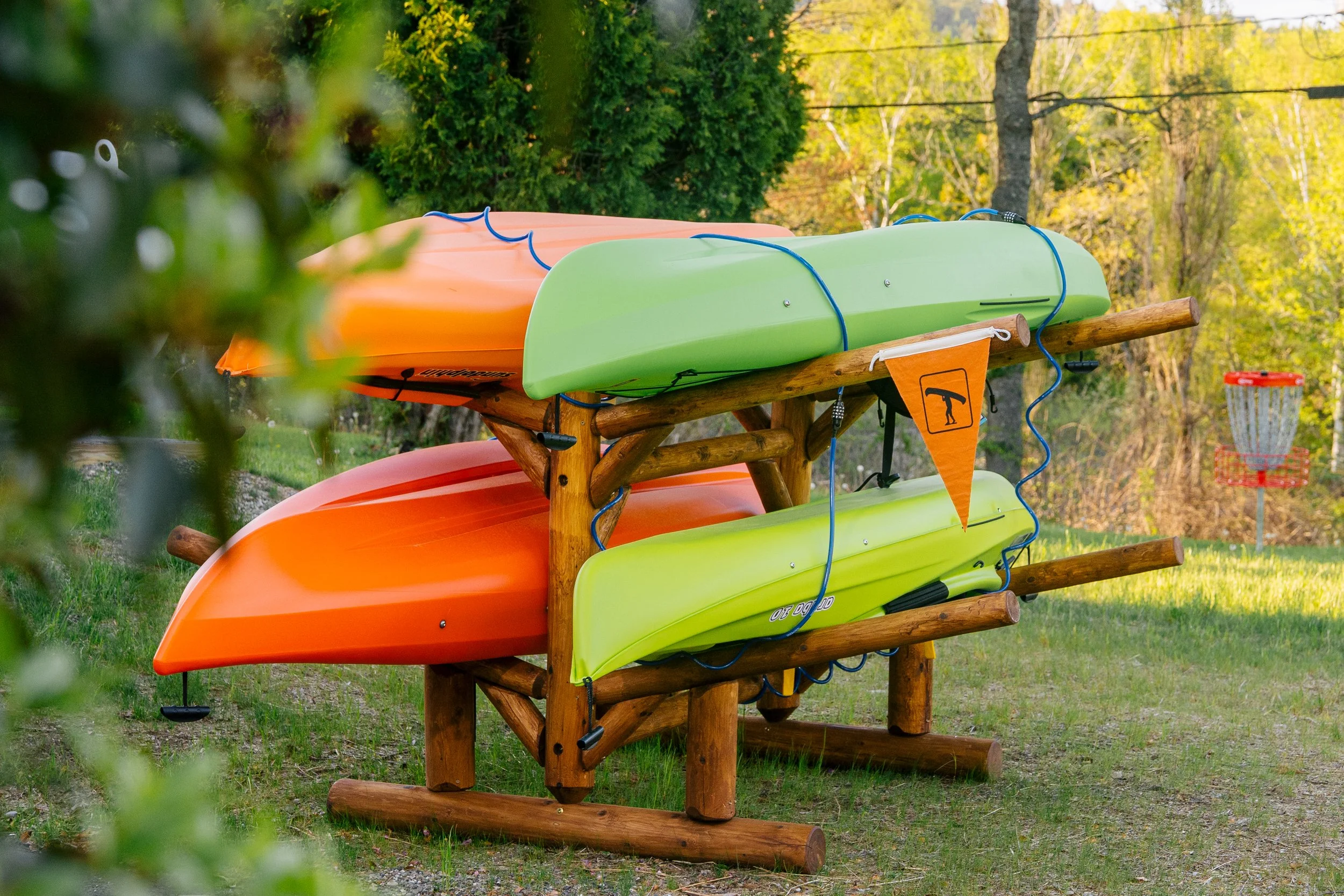
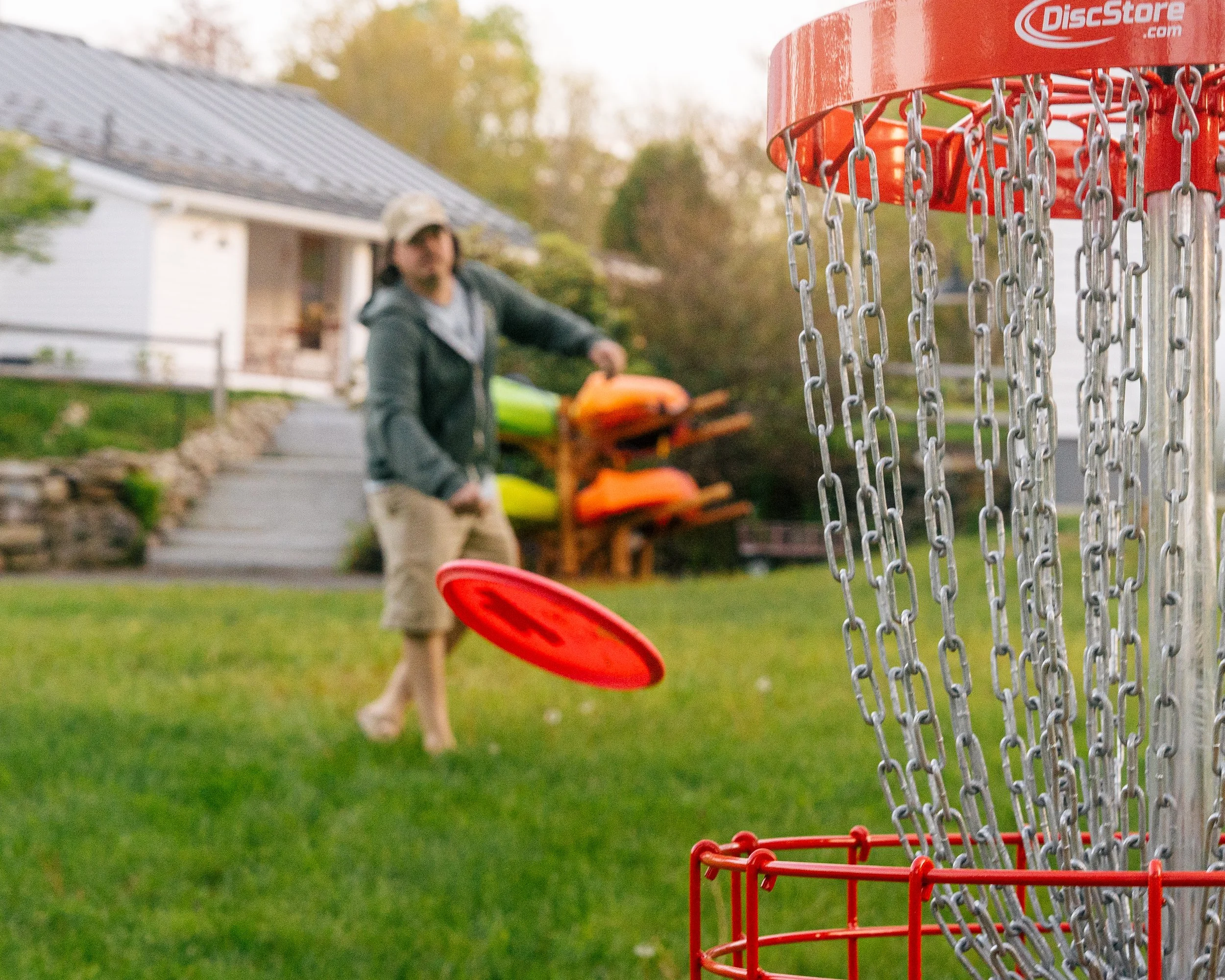
Trust falls are out. Shared experiences are in.
The activities that forge real connection in 2026 aren’t manufactured exercises. They’re genuine things people would choose to do anyway: paddling a canoe together, cooking a group meal with local ingredients, hiking Mount Battie, competing in lawn games on a summer afternoon, sitting around a fire trading stories while the stars come out, take a tall ship cruise through the Bay. These moments foster natural collaboration, create inside jokes, and let people show sides of themselves that meetings never reveal. That’s the kind of bonding that carries back to the office long after the retreat ends.
The Teams Finding Their Way to the Campfire
Remote-first companies who collaborate brilliantly online but rarely share the same physical space. For distributed teams, the annual or quarterly in-person gathering isn’t a perk. It’s the foundation that makes remote work sustainable.
Creative agencies seeking inspiration beyond their usual walls. There’s a reason writers have long retreated to coastal Maine. The landscape shakes loose ideas that won’t surface at the office.
Leadership teams working through strategy, transitions, or rebuilding culture after change. The intimacy of a full-property retreat creates space for honest conversations that formal settings tend to suppress.
Startups and growth-stage companies at pivotal moments. When you’re making big decisions about direction, team, or culture, stepping outside the usual context helps everyone think more clearly.
Non-profits and mission-driven organizations wanting to reconnect their people to purpose. Gathering in nature while doing meaningful work together has a way of reinforcing why everyone showed up in the first place.
What to Look for in a 2026 Retreat Venue
If you’re the person who got tapped to plan the company offsite, here’s what matters: flexible spaces that shift from meeting mode to gathering mode throughout the day. Wi-Fi that works when you need it and is easy to forget when you don’t. Accommodations that keep your group together on the same property so conversations continue after sessions end. On-site or easily coordinated catering, because shared meals are half the magic. And weather-ready backup plans, because Maine keeps you honest.
Timing-wise, September, October, and May are the most popular retreat months in MidCoast Maine. Fall delivers stunning foliage and crisp energy. Spring brings renewal and the first warm breezes off the bay. But savvy teams are also discovering off-peak advantages: winter retreats come with cozy intimacy, and early summer means long days and swimmable water.
One universal note: book early. The best and most distinctive venues get claimed eight to twelve months ahead, especially for full-property buyouts. If fall 2026 is on your radar, start those conversations now.
The Real Return on a Weekend in the Woods
Corporate retreats aren’t free. Between accommodations, travel, meals, and activities, you’re investing real dollars in getting your team together.
But the return compounds in ways spreadsheets can’t fully capture: the relationship that started around a campfire and now makes cross-team collaboration seamless. The strategy breakthrough that emerged during a morning walk along the bay. The sense of shared culture that holds a distributed team together through difficult quarters. The reduced turnover because people feel genuinely connected to their colleagues and company.
The best retreats don’t feel like corporate events. They feel like something you’d choose to do even if nobody was measuring outcomes.
That’s when you know you’ve found the right venue, the right format, and the right moment to get your people away from the grind. Life is good in the woods. Turns out, work can be too.
Book your Retreat at Camp DeForest Today
Thinking about a team retreat at Camp DeForest? We host full-camp retreats, day retreats, and custom formats for corporate teams of up to 50 on MidCoast Maine’s Penobscot Bay. Four cabins, ten lodge rooms, waterfront gathering spaces, and enough fire pits for every conversation that matters. retreats@campdeforest.com