
Maine Coastal Towns: A Complete Road Tripper's Guide
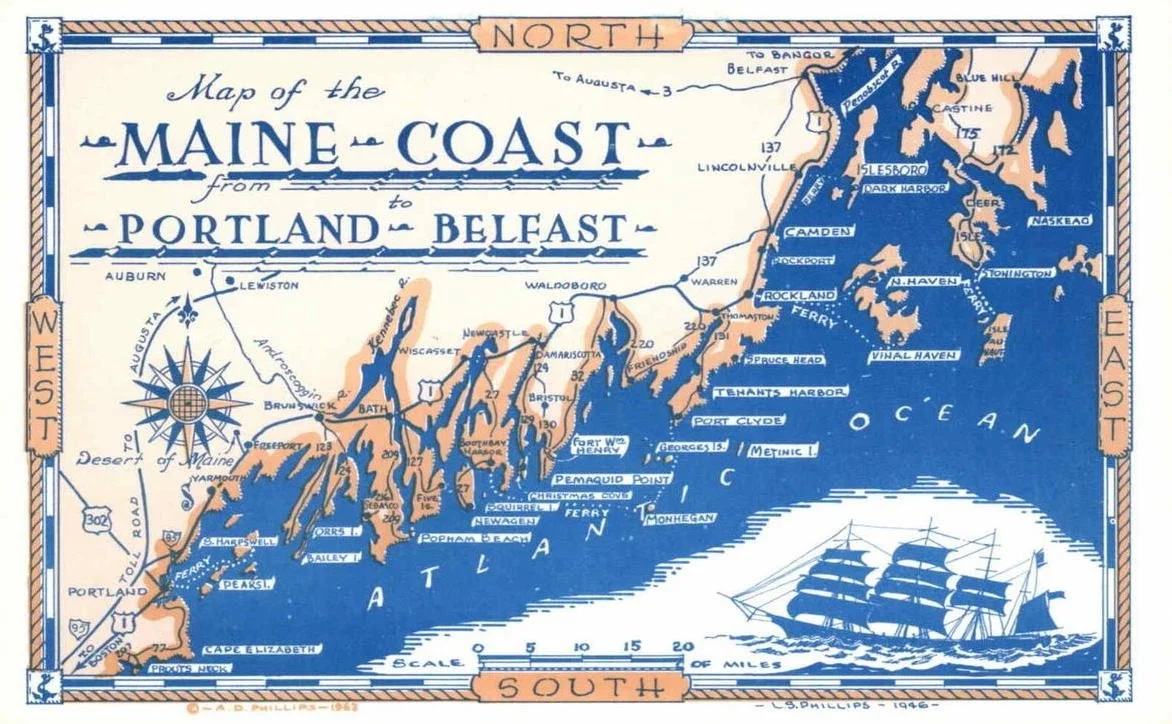
Cross the border into Maine on a summer morning and the coast just keeps giving. Salt air rolls in before you see the water. Then the towns start appearing: lobster shacks stacked on granite ledges, white steeples above harbor schooners, roadside stands selling blueberries by the quart. Maine coastal towns stretch across more than 3,500 miles of coastline once you trace every cove and island inlet, and without a plan, you'll spend half your trip in the car and miss the places that actually earned a place in your memory.
This guide isn't a rundown of every town between Kittery and Eastport. It's a framework: how to pick the right stops for how you actually travel, which towns deliver on their reputation, and which ones most visitors blow past without realizing what's waiting there. Lincolnville is one of those. Once you know Camp DeForest is tucked along Penobscot Bay between Camden and Belfast, a town that looked like a blip on the map becomes the anchor for your whole Midcoast stretch.
How to pick the right Maine coastal towns for your trip style
Before you drop a single pin on a map, make one decision: what kind of traveler are you on this trip? The coastal towns in Maine don't all deliver the same experience, and that's the whole point. Treating them as interchangeable is how you end up driving four hours through towns that weren't built for your version of a good time.
Beach-focused families and sun seekers belong in Southern Maine. That stretch serves the classic New England coastal towns vacation better than anywhere else in the state. Foodies, art lovers, and anyone who wants a working harbor with actual fishing boats in it should head to the Midcoast corridor. Wilderness explorers and Acadia devotees need to budget time for the Downeast region. Once you know which category fits your trip, the map gets much simpler.
Best Maine beach towns for families and sun seekers
Ogunquit leads this category without much debate. Its beach has landed on TripAdvisor's top 25 beaches in the U.S., and the wide, sandy stretch along the Atlantic earns every mention. Wells and Old Orchard Beach round out the Southern Maine beach scene, both offering a more resort-oriented, family-friendly feel than anything you'll find further north. These towns are built for sand castles, soft-serve, and long afternoons doing absolutely nothing productive.
Midcoast and Downeast for foodies, art lovers, and history buffs
The Midcoast corridor, from Rockland through Camden up to Belfast, rewards travelers who want more texture than a beach chair. You get working harbors, serious art museums, lobster shacks with lines out the door for good reason, and 19th-century downtown blocks that look like they were designed to be photographed. Further Downeast, Bar Harbor serves as the gateway to Acadia National Park on Mount Desert Island and draws visitors who want whale watching, carriage road biking, and the kind of coastal grandeur that justifies the drive from anywhere.
Top Maine coastal towns every road trip should include
Some towns appear on every "best of Maine" list because they've genuinely earned it. The key isn't whether to visit them; it's knowing what each one does best so you allocate your time right and don't leave feeling like you checked a box instead of actually experiencing the place.
Camden: the jewel of Midcoast Maine
Camden draws more visitors than almost any other Maine harbor town, and the title "jewel of the Maine coast" sticks because the town actually delivers. The harbor is postcard-perfect, with schooners and sailboats set against a backdrop of green hills. Camden Hills State Park sits just minutes from downtown, offering over 30 miles of trails and a summit view from Mount Battie that puts the whole bay in frame. Budget at least a full day here; a half-day only gets you the surface.
Downtown Camden is walkable and genuinely pleasant, with good dining, the historic Camden Opera House, and the High Street Historic District on the National Register of Historic Places. If you're traveling in summer, the Camden Windjammer Festival is the largest gathering of windjammers in the Northeast and worth building a date around. Parking fills up by mid-morning in peak season, so arrive early or plan to walk from the free lot at Knox Mill.
Rockland and Bar Harbor: lobster culture meets Acadia's gateway
Rockland often gets treated as Camden's less glamorous neighbor, which is a mistake. The Farnsworth Art Museum alone justifies a stop, and Rockland's working-harbor energy feels more authentic than anything overly polished. The Maine Lobster Festival runs every August and draws serious crowds for good reason. For dining, Claws delivers on the fresh lobster promise, and Primo offers upscale farm-to-table dining open May through October. Suzuki's Sushi Bar is a legitimate surprise for a town of this size.
Bar Harbor tops nearly every travel guide's ranking for Maine coastal towns, sitting at the entrance to Acadia National Park on Mount Desert Island. Whale watching, biking the carriage roads, and a fresh lobster dinner at Stewman's Lobster Pound are the essential experiences. Book accommodation early. Bar Harbor averages $365 to $517 per night in peak season, and the most desirable spots fill months in advance. July and August parking lots reach capacity before 10am at the most popular park entrances.
Underrated coastal Maine villages worth slowing down for
The best-kept stops on any Maine road trip don't show up in the first five results of a travel search. They're the towns most people drive through on the way to somewhere else, which is exactly why they're still worth visiting. The crowds haven't arrived yet, the prices reflect reality, and the experience feels like you actually found something rather than following a script.
Lincolnville: the coastal Maine village anchored by Camp DeForest
Lincolnville sits on Penobscot Bay between Camden and Belfast, the kind of small town that's easy to pass through without stopping. Most people do. That changes once you know Camp DeForest is here. Camp DeForest is a boutique, sleepaway camp-themed hotel that takes the nostalgia of a classic Maine summer camp and rebuilds it with renovated cabin-chic rooms, real modern comfort, and on-site dining that punches well above its weight for a property this size.
At the Lantern Bar, craft cocktails arrive in a cozy, camp-inspired setting that earns its own visit independent of where you're sleeping. Camp Café handles morning coffee and light fare without the chaos of a tourist-town breakfast spot. Happy Trails rounds out the on-site options with gourmet hot dogs and camp-style eats that make a lunch stop genuinely fun. The campfire and s'mores experience is the detail guests mention months after checkout, and for good reason: it's the kind of simple thing that travel is supposed to feel like. Positioned minutes from Camden to the south and Belfast to the north, Lincolnville becomes the ideal Midcoast base rather than a throughway.
Stonington and Castine: authentic Maine shore towns without the crowds
Stonington sits at the southern tip of Deer Isle and operates as one of Maine's most genuinely working fishing harbors. Lobster boats in the foreground, a quiet gallery scene, and almost none of the tourist infrastructure that softens the edges of more famous towns. It takes extra driving to get there, which is part of why it remains authentic. Castine rewards that same patience with colonial history, elm-lined streets, and harbor views that place it among Maine's most picturesque seaside towns. Both are worth the detour if your itinerary has room.
When to visit Maine's coast (and when to skip peak season)
The timing decision shapes everything else about a Maine coast road trip: how much you pay, how long you wait for a table, and whether the coastal scenery feels shared or personal. July and August bring the warmest weather, with average highs reaching 75 to 81°F and water temperatures climbing to 65 to 68°F by August. They also bring the highest prices and the longest lines across every category of experience.
Peak summer (July, August): best weather, longest waits
The trade-offs of peak season are real. Full activity schedules, warm swimming water, and summer festivals run on all cylinders. But Bar Harbor accommodations average $365 to $517 per night, popular restaurant wait times stretch past an hour, and the most scenic pull-offs along Route 1 fill with cars before most people finish their morning coffee. If July or August is your only option, book everything as far in advance as possible and plan to be at popular spots before 9am.
June and September: the road tripper's sweet spots
September is the locals' pick, and the case is straightforward: temperatures stay around 70°F with low humidity, crowds evaporate almost overnight after Labor Day, lodging rates drop significantly, and most restaurants and shops stay open through October. You get the same coastline with a fraction of the competition for parking, tables, and accommodation. June offers wildflowers, temperatures around 73°F, and a similar low-crowd advantage without the full shoulder-season quiet of September. Fall foliage peaks mid-to-late October along the Midcoast, adding another layer for travelers who can extend their window.
Road trip logistics: driving the Maine coast without the headaches
Timing your visit also affects what you'll encounter on the road itself. US Route 1 is the spine of any Maine coast road trip, and understanding it upfront saves real frustration. It's a two-lane road through most towns, not a highway, and it slows significantly in summer through Camden, Rockland, and Bar Harbor. The scenic payoff is worth it; just don't plan a schedule that requires highway speed.
Driving times and route logic from Portland to Bar Harbor
Portland to Camden runs about two hours on Route 1 without stops. Camden to Bar Harbor adds roughly two and a half hours more, with the transition from Route 1 to Maine Route 3 happening in Ellsworth. The Midcoast stretch from Portland to Belfast is the richest section for stopping, and rushing through it in a single day wastes the best part of the trip. Budget at least two to three days for this corridor alone.
Parking, ferry access, and what to know before you arrive
Camden enforces metered parking at $2 per hour with a three-hour limit on most downtown streets from June through mid-October, with free all-day parking available at the Knox Mill lot behind 40 Washington Street. Bar Harbor parking fills at popular Acadia trailheads before 10am in peak season; arriving early or using the Island Explorer shuttle system is the practical move. From Rockland, the Maine State Ferry Service runs year-round car ferries to Vinalhaven (75 minutes) and North Haven (70 minutes), making either of these Maine island towns a viable day trip or overnight extension. No ferry connects the main Route 1 towns to each other; driving is the primary mode throughout the coastal corridor.
Sample itineraries for any road trip length
These outlines are starting points, not rigid schedules, the whole logic of a road trip is that you follow what's actually good when you get there. Most days along the Maine coast cover 30 to 60 miles between stops, so don't let the distances on paper fool you into over-scheduling.
The Midcoast weekend (2, 3 days)
Arrive in Portland on Friday evening for dinner and an overnight. Drive Route 1 north Saturday with a stop in Rockland for lunch and the Farnsworth Art Museum, then check into Camp DeForest in Lincolnville for Saturday night. Sunday morning, walk Camden Harbor, do a short hike at Camden Hills State Park with the summit view from Mount Battie, then head home via Route 1 or I-95. Camp DeForest as the overnight anchor makes this loop logistically clean and distinctly more memorable than any generic hotel option along the route.
The full-coast sweep (5, 7 days)
Start in Kennebunkport on Day 1 and work north through Portland and Rockland over Days 2 and 3. Use Lincolnville and Camp DeForest as your Midcoast base for Days 3 and 4, running day trips to both Camden to the south and Belfast to the north without adding extra driving miles each night. Push to Belfast and Castine on Day 5. Finish with two nights in Bar Harbor for Acadia on Days 6 and 7. Having a home base in the Midcoast section eliminates the need to pack up and move every single day during the densest stretch of the route.
Maine coastal towns reward the traveler who slows down
The well-known towns, Camden, Bar Harbor, Rockland, earn their reputations. Visit them. But the most memorable nights on a Maine coastal road trip tend to happen in places you almost didn't stop: the towns that don't advertise as loudly, that reward the traveler who takes the exit without fully knowing why.
Lincolnville is that kind of place. Easy to overlook on a map, genuinely hard to forget once you've sat by a fire at Camp DeForest with a craft cocktail from the Lantern Bar while the s'mores situation gets sorted out at the next table. That's what a great stop in one of Maine's coastal towns actually feels like: specific, unhurried, worth coming back for.
If you're planning your Midcoast Maine itinerary and want a base that puts Camden and Belfast both within easy reach, check availability at Camp DeForest. The dates that work for your trip won't stay open long once summer booking season opens.