
Coastal Maine Attractions: A Region-by-Region Guide
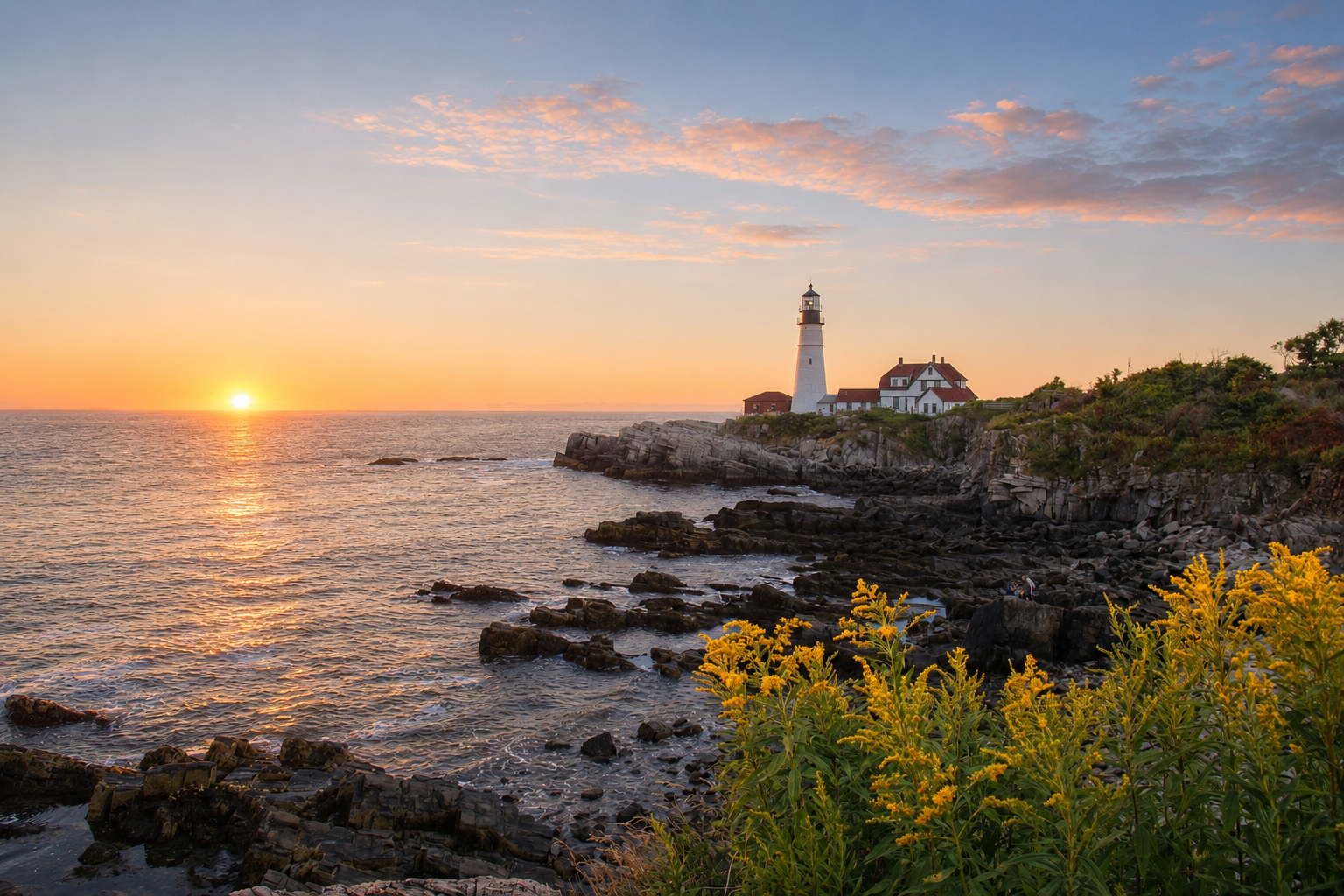
Coastal Maine attractions cover nearly 3,500 miles of tidal shoreline, according to commonly cited NOAA figures, and no two stretches feel remotely the same. Southern Maine delivers wide sandy beaches, famous lobster shacks, and iconic lighthouses you've seen on postcards your whole life. Midcoast means harbor towns, windjammer schooners, and a strong local-food scene with ocean views. Downeast and Acadia? Wild, fog-wrapped granite coastline and outstanding hiking opportunities that rank among the best on the East Coast.
The problem most first-time visitors run into is treating the Maine coast as one undifferentiated stretch to cover as fast as possible. They end up rushing Route 1 without stopping long enough to absorb what makes each region distinct. This guide is organized by region so you can identify the right stretch for your trip style, build a realistic itinerary, and know exactly what to reserve before you leave home.
Practical details are woven throughout: driving times, entrance fees, seasonal windows, and reservation deadlines. By the end, you'll have a clear framework for a one-day, three-day, or seven-day coastal Maine itinerary that actually fits how you travel.
Top Coastal Maine Attractions by Region
Maine's coast breaks into four broadly distinct zones, each with its own personality. Southern Maine is the sandy, accessible, family-friendly entry point. Midcoast Maine is where the quintessential Maine seaside towns, Camden, Rockland, Belfast, come into their own. Downeast and Acadia deliver the wild, elemental version of the coast. And the island crossings scattered throughout are their own category of Maine coastal attraction, slower and more rewarding than almost anything reachable by car. Use the sections below to find your fit.
Southern Maine Coast: Beaches, Lighthouses, and Lobster Rolls Worth Stopping For
Ogunquit Beach is one of the widest, cleanest sandy beaches in New England, and it earns its summer crowds. The beach stretches nearly three miles and stays relatively uncrowded away from the main access points, walk north past the initial clusters and the scene opens up considerably. Kennebunkport's Dock Square is built for slower exploration: sea captain architecture gives way to art galleries, and the Clam Shack's lobster rolls justify whatever line you find. This is a town built for wandering, not rushing.
For families with kids who need more energy in the mix, Old Orchard Beach delivers Palace Playland, beachfront food stands, and a festive summer atmosphere that stands apart from the rest of the Maine coast. It's one of the few spots on Route 1 with genuine amusement-park energy, and kids take to it immediately.
The lighthouse circuit in southern Maine is easy to build into a half day. Nubble Lighthouse in York sits on a small island just offshore and is one of the most photographed spots in the state; pair it with Long Sands Beach for a natural half-day stop. Portland Head Light at Fort Williams Park in Cape Elizabeth is Maine's oldest lighthouse and completely free to view from the public grounds. Most southern Maine lighthouses are free to see from public areas, with optional paid museum access at select sites typically running $10 to $15 during summer, fees vary by location and season, so check each site before you go.
Portland is worth flagging here, not just as a pass-through but as a genuine food destination. The Old Port neighborhood punches far above its size with raw bars, craft cocktail spots, and a disproportionately vibrant independent restaurant scene for a city its size. It also functions as the natural starting point for a northbound Maine coastal road trip, sitting right at the crossroads between southern Maine and the Midcoast stretch.
Midcoast Maine: Sailing Villages, Harbor Towns, and the Best Stretch to Slow Down
Camden's harbor is the Midcoast's most photographed for good reason, windjammer schooners and lobster boats share the same water within view of forested hills, and Camden Hills State Park frames the whole scene with hiking trails and a summit drive up Mount Battie that delivers panoramic views over Penobscot Bay. The downtown is compact and walkable. For first-time visitors exploring things to do in coastal Maine, Camden is the Midcoast's highest-yield stop.
What to See Around Rockland and Boothbay Harbor
Rockland, just eight miles south of Camden, holds its own with the Breakwater Lighthouse (open weekends in summer) and an arts identity built around the Farnsworth Art Museum. The Coastal Maine Botanical Gardens in Boothbay Harbor, about an hour south, is a worthwhile half-day detour for anyone traveling through. The gardens operate late May through mid-October, and timed tickets are recommended during the peak summer window. Adult admission runs $28, with children 12 and under admitted free.
Belfast and the Quieter Midcoast
Belfast, ten miles north of Lincolnville on Route 1, offers the Midcoast's quieter, more local side. It's a working waterfront town with strong farm-to-table dining, independent shops, and a pace that Camden's more tourist-polished edges don't always match. The Penobscot Narrows Bridge Observatory in nearby Prospect is a quick but memorable stop for panoramic bay views that most visitors skip entirely.
Lincolnville Beach sits between Camden and Belfast, roughly fifteen minutes south of Belfast and ten minutes north of Camden on Route 1. The state ferry to Islesboro departs from here: a 20-minute crossing to one of the quieter, most overlooked islands in Penobscot Bay. It's the kind of half-day side trip that most coastal Maine visitors skip and then wish they hadn't.
Why Camp DeForest Makes the Midcoast Stretch So Much Easier to Explore
Camp DeForest, the camp-themed boutique hotel in Lincolnville, sits almost exactly between Camden to the south and Belfast to the north. That positioning pays off for itinerary planning because it means you're not repacking the car every day or doubling back on Route 1. You can hike Camden Hills in the morning, drive north for dinner in Belfast, and return to a lantern-lit porch with a craft beer from the Lantern Bar the same evening.
The property leans fully into the sleepaway camp aesthetic with renovated cabin-chic rooms, the Camp Café for morning coffee, and the Happy Trails counter for gourmet camp-style eats. For travelers who want character and location over cookie-cutter comfort, it functions as the Midcoast's most strategically placed overnight base, with the added convenience of rolling out each morning to a different corner of the Mid-Coast Maine highlights without ever changing where you sleep.
Acadia National Park and the Downeast Coast
Acadia is the anchor of the Downeast coast and one of the most visited national parks in the country. The Park Loop Road takes about two hours without stops and passes Jordan Pond House (order the popovers after a lakeside walk), Thunder Hole, and Otter Cliffs. Cadillac Mountain at sunrise remains the park's signature experience, and it requires planning: the summit road needs a separate $6 timed reservation during peak season from May through mid-October, and those reservations go fast. Book as soon as the window opens.
Entrance to the park is $35 per vehicle for a seven-day pass. The Island Explorer shuttle bus runs throughout the park and is completely free, which makes a meaningful difference during July and August when parking at trailheads fills early. Arrive by 8:30 AM at popular areas and you're ahead of most of the crowd.
Bar Harbor serves as the practical base for Acadia, with whale watching tours, kayak rentals, and island ferries all departing from there. Late May through early September is the peak window for whale watching out of Bar Harbor, with humpback and finback sightings reliably strong through early September. Whale watch cruises fill fast in July and August, so book before you arrive. The Schoodic Peninsula on the quieter eastern side of Acadia offers the same rugged Maine coast scenery with a fraction of the summer crowds, accessible by ferry from Bar Harbor.
Island Ferries and Coastal Boat Trips Worth the Extra Planning
Monhegan Island, accessible by ferry from Port Clyde or Boothbay Harbor, is the most dramatic island crossing among coastal Maine attractions: 17 miles of hiking trails, no cars, and an artists' community that has thrived since the 1800s. The combination of wild coastal cliffs and a genuine working community makes it unlike anything else in the region. It earns the extra planning.
Swans Island via ferry from Bass Harbor delivers an authentic island experience without Monhegan's crowds. Overnight stays at Burnt Coat Harbor Lighthouse Keeper's House are available June through October by weekly rental reservation, and they book out six to twelve months in advance, plan accordingly if that's on your list. Islesboro, reachable by the state ferry from Lincolnville Beach, is the most overlooked option: a short crossing that costs very little and gives a genuine glimpse of island life without the logistical complexity of Monhegan.
Boat-based lighthouse tours depart from Boothbay Harbor and Rockland and are the only way to photograph several offshore lights from any meaningful vantage point. Lobster boat tours out of working harbors like Stonington and Port Clyde typically run one to two hours, offering a genuine look at the commercial fishing life that still drives Downeast Maine's economy. Combine the reservation note with your cruise booking: most operate Memorial Day through Columbus Day, and spots go quickly in summer.
When to Visit and How to Build Your Coastal Maine Itinerary
Best Months for Maine Coast Attractions
July and August deliver the warmest water, the most open businesses, and the most crowded parking lots. September is the strongest single-month alternative for most travelers: whale sightings remain high into early September, hiking weather is ideal, and crowds thin out noticeably after Labor Day. Late May hits a similar sweet spot with active whale watching, mild temperatures, and significantly lower visitor density than peak summer. Fall foliage in Midcoast Maine typically peaks in early to mid-October, making it a compelling reason to visit well beyond the standard summer window.
Reservation Deadlines to Know
For Wood Island Lighthouse tours, reservations open June 1 and fill quickly for the July and August season. Maine Open Lighthouse Day in early September opens approximately 20 to 24 locations that are otherwise closed to the public; some sites offer only 300 first-come tickets, so arriving early is non-negotiable. Overnight lighthouse stays at Burnt Coat Harbor and Little River book out six to twelve months ahead for the June through October season.
Suggested Day Plans: 1, 3, and 7 Days on the Maine Coast
A single day in the Midcoast works well anchored around Camden and Rockland: lighthouse walk in the morning, harbor lunch, afternoon at the Farnsworth, and back on the road. Three days opens the southern coast too. A strong route: Day 1 in the Kennebunkport and Portland area, Day 2 through Wiscasset and Rockland up to Camden, Day 3 pressing on to Bar Harbor with an afternoon inside Acadia. The drive from Camden to Bar Harbor runs about one hour and thirty minutes (66 miles), making it a comfortable half-day leg with a lighthouse or harbor stop in between.
Seven days is the sweet spot for driving Route 1 from Kittery to Acadia without feeling rushed. The natural rhythm: two days in southern Maine covering Ogunquit, Kennebunkport, and Portland; two days in the Midcoast using Lincolnville as a base for day trips north to Belfast and south to Camden; and two full days in and around Acadia, with Day 7 for the return drive or a Nova Scotia ferry departure from Bar Harbor. Basing yourself in one central Midcoast location for two nights means you never repack mid-trip, the whole pace shifts from logistics exercise to actual vacation.
Plan the Region First, Then Everything Else Follows
Maine coastal attractions are rich enough to fill weeks of travel. The key to a satisfying trip is choosing the right region for your style and resisting the urge to cover all of it in one go. The coast rewards anyone who gives it enough time to breathe, pull over for the lighthouse you weren't expecting, eat at the counter instead of the dining room, take the ferry just to see what's on the other side.
For most visitors, the Midcoast stretch from Camden through Belfast remains the emotional heart of the coast: accessible, scenic, and full of personality without Acadia's logistical complexity or Portland's city pace. It's the part of Maine that people keep returning to because it feels genuine rather than curated for tourism.
For anyone making the Midcoast the anchor of their coastal Maine trip, Lincolnville is the right overnight base. Camp DeForest puts you at the center of it, steps from the Islesboro ferry, ten minutes from Camden's harbor, and close enough to Belfast that dinner there doesn't feel like a detour. Use the region-by-region framework from this guide to start mapping your stops, then book your nights somewhere worth coming back to.